Japan by Rail: Tokyo, Kanazawa, Kyoto & Osaka
Choose a sensible stop order, leave realistic transfer margins, and decide where forwarding luggage is worth the cost.
Read guide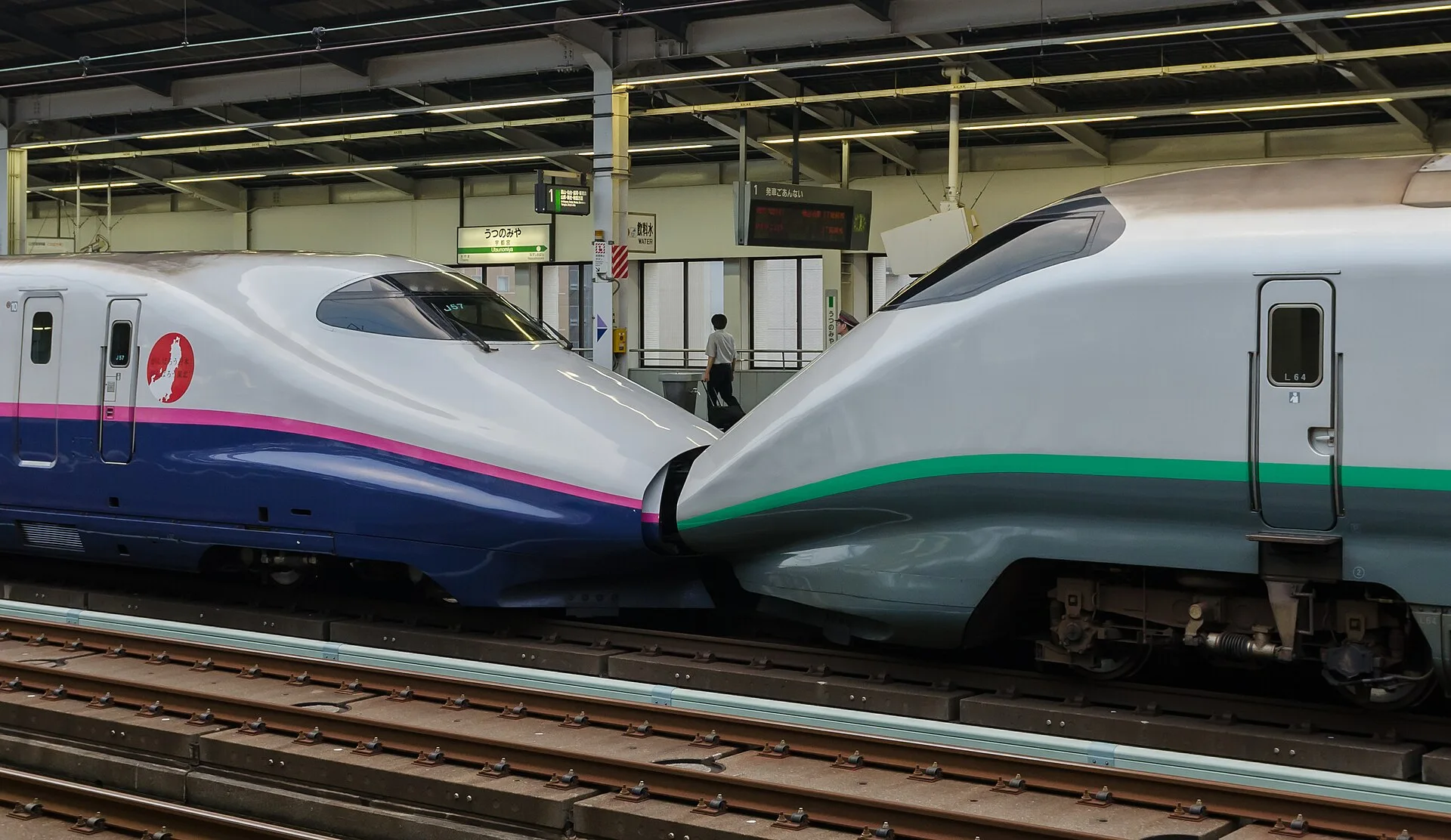
Station to Station · Planning topic
Plan city order, protected connections, station-to-hotel transfers and the hardest luggage day before buying separate legs.
The short answer
Design the most fragile day first: the station change, border crossing, late arrival or final transfer with luggage. Then choose the stop order and ticket structure around it. A neat rail map is not enough if the last kilometre or missed-connection risk makes the day impractical.
Decision table
This is a planning framework, not a live timetable, fare or promise of availability. Verify the exact service before booking.
| Decision | Same-station change | Different-station transfer | Rail to final destination |
|---|---|---|---|
| Main question | Is the transfer margin suitable for the platforms and bags? | How will you cross the city between stations? | How do you get from the final station to the stay or attraction? |
| What to check | Train-specific reservation and missed-connection terms. | Local transit, walking accessibility and luggage. | Opening or access rules and the return connection. |
| Safer design | Prefer a protected through itinerary where available. | Allow a real city-transfer window or stop overnight. | Book the final leg only after checking last-mile options. |
Build the trip
Work through the decision before committing to tickets or a room category.
Write down station names, not just cities. Mark any leg where arrival and departure use different stations.
Move timed entry, a cruise departure or a non-refundable tour away from the most failure-prone rail arrival.
Check whether multiple legs are sold as one journey or separate contracts. Do not assume missed-connection protection carries across separate tickets.
Check stairs, local transport and the operator baggage rule that is strictest on your route before choosing a bag or hotel.
Avoid the costly version
Apply the framework
These guides take the same questions into specific routes, with operator sources and route-level trade-offs.
Choose a sensible stop order, leave realistic transfer margins, and decide where forwarding luggage is worth the cost.
Read guideSequence four city stops without backtracking, then balance advance-ticket savings against the flexibility your trip needs.
Read guideChoose where to board by looking at altitude, road transfers, baggage limits, and the order of your Sacred Valley stay.
Read guideReduce stairs, rushed platform changes, and carriage clutter by matching bag size and transfer time to the hardest station day.
Read guideCheck the transport contract, station change and missed-connection route before splitting a European rail journey into separate purchases.
Read guideMatch each bag to the exact Shinkansen line and reserve suitable storage before designing a tight, multi-station transfer day.
Read guideCheck before travel
Service patterns, terms, luggage rules and reservations can change. Use these operator pages to confirm the exact journey you intend to book.
Check when a missed international connection may be protected.
Check the baggage rule for the exact service to Machu Picchu.